Most people asking this question should book Ao Nang — and then spend at least one night on Railay. They solve different problems. Ao Nang is the practical base you work from. Railay is the experience you came to Krabi for. A ฿100 longtail connects them in 15 minutes, so the decision is less either/or than it looks.
The right base depends on your pace, budget and luggage. Here’s the comparison that makes it clear.
The short version
- Ao Nang is the hub: tour desks, restaurants, 7-11s, songthaews, longtails to every beach and island. Town beach is average. Price range is wide — budget through to mid.
- Railay is the setting: limestone cliffs, Phra Nang beach, quiet evenings after the day visitors leave. No road in, limited food options, everything costs 20–30% more.
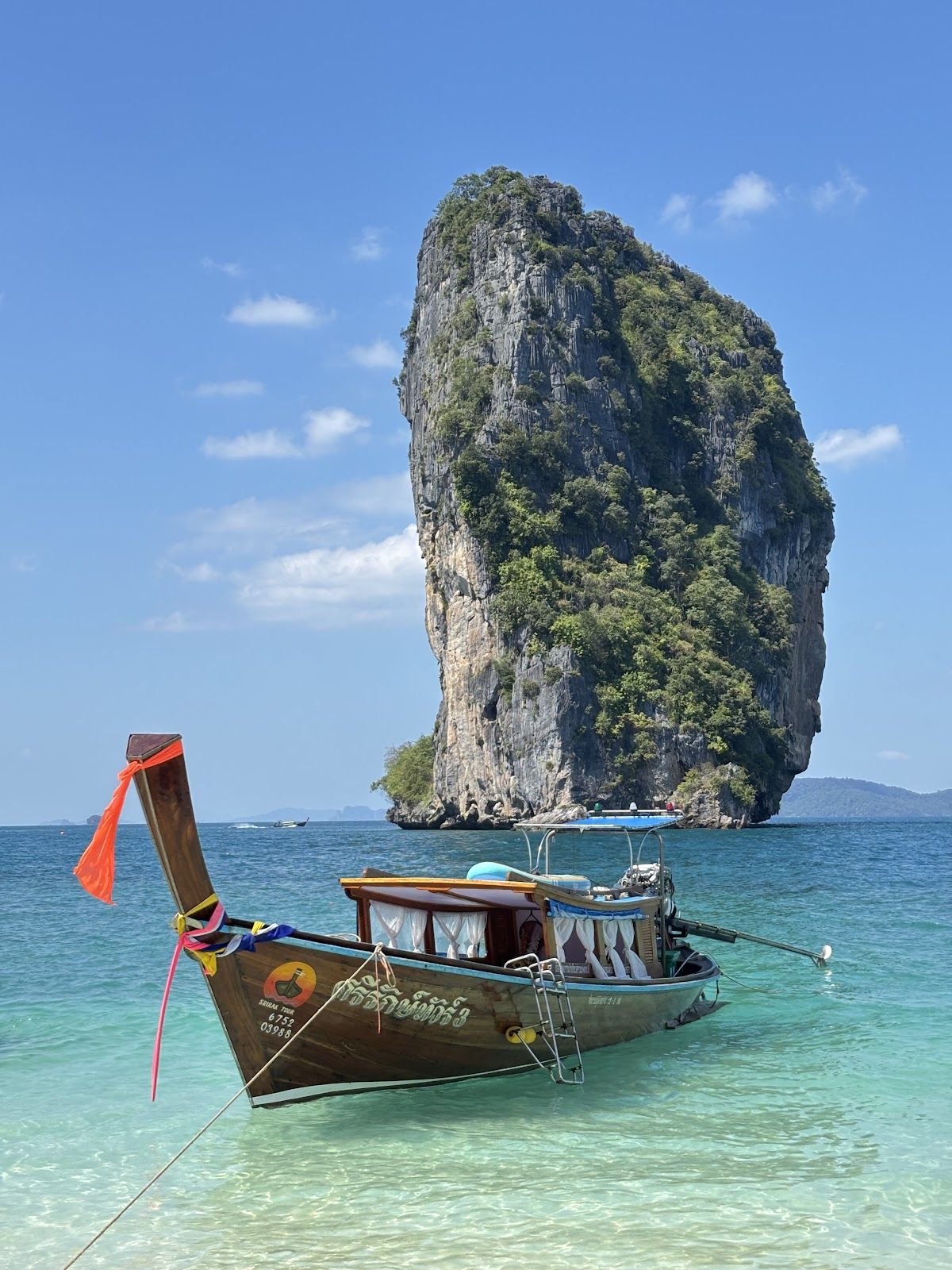
- The longtail between them: around ฿100 each way (check the posted board on the day), 10–15 minutes, public boats run roughly 8am to 6pm. Later departures usually carry a surcharge or move to private-hire pricing.
- Stay in Ao Nang if: you’re doing multiple island tours, travelling with kids, or working to a budget.
- Stay on Railay if: you’re a couple after the most scenic base in Krabi and don’t mind paying for it.
- Best move: Ao Nang first for the island days, then two nights on Railay to finish. Book Railay in advance.
| Ao Nang | Railay | |
|---|---|---|
| Best beach | Average (town seafront) | Excellent — Phra Nang is world-class |
| Budget from | ~฿500/night | ~฿800/night (East side) |
| Food options | Wide, cheap | Limited, 20–30% more expensive |
| Nightlife | Bars, night market, fire shows | Beach bars only, quiet after 6pm |
| Island tours | Easy from the pier | Add ฿200 + 30min per trip to Ao Nang |
| Shops/ATMs | 7-Elevens, pharmacies | Small minimarts, fees on ATMs |
| Best for | First-timers, families, island-hoppers | Couples, climbers, slower pace |
| Road access | Yes | No — boat only |
The one fact that explains both places
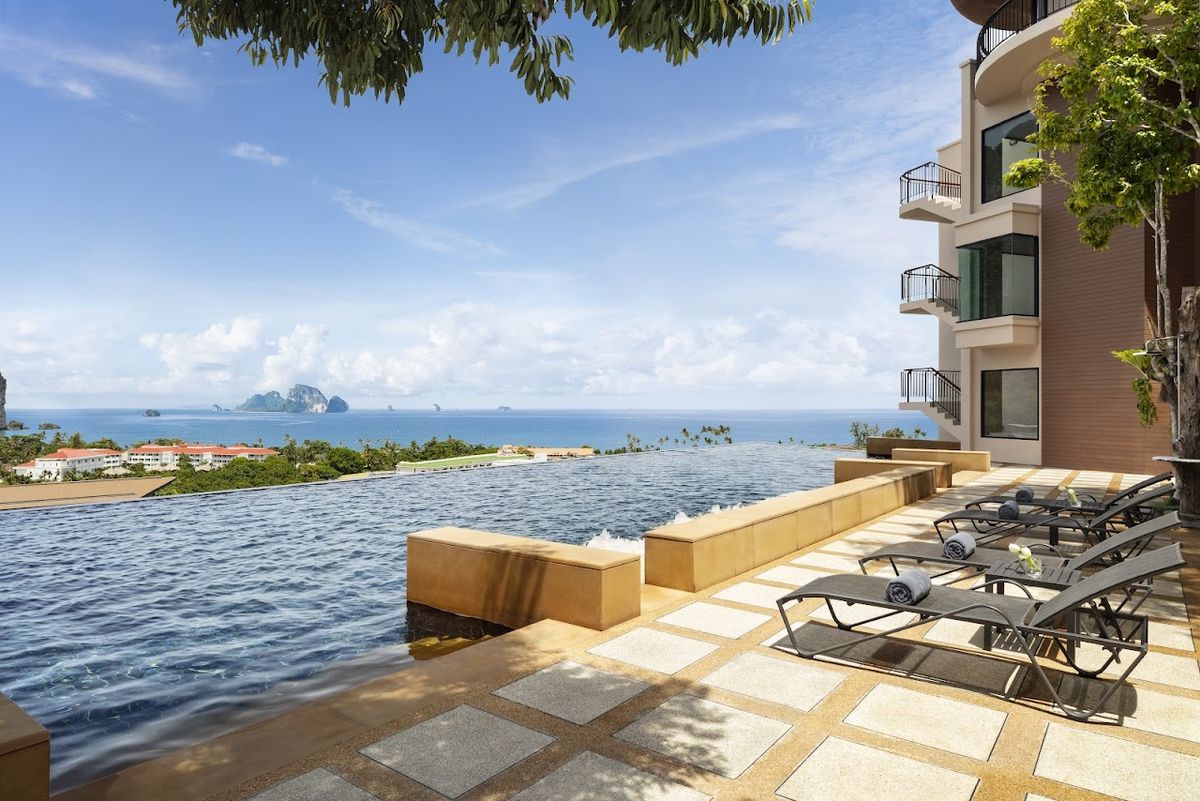
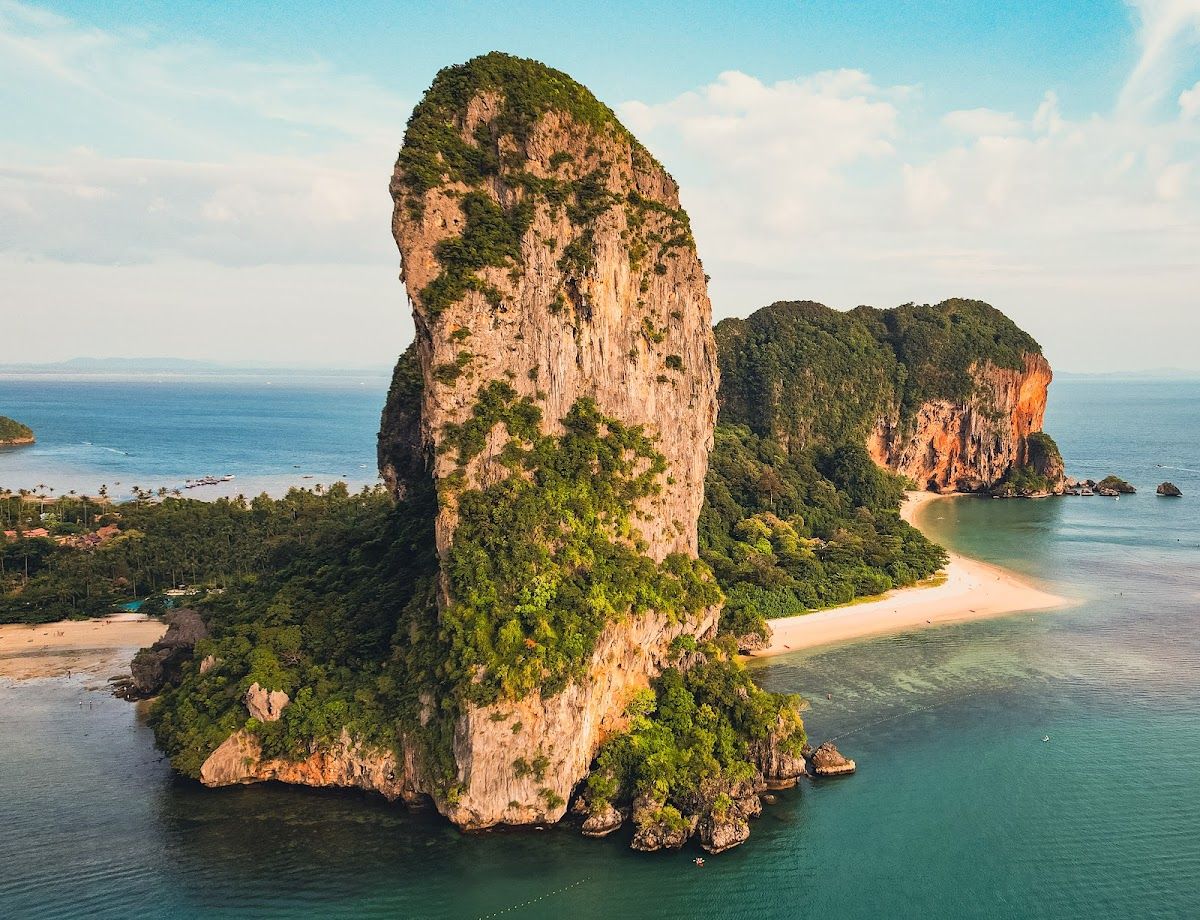
Railay is mainland — geographically connected — but limestone cliffs seal it off so completely that there’s no road in. The only way in or out is a longtail. That single fact shapes everything: the scenery (exceptional), the prices (elevated, everything arrives by boat), the food options (limited), and the evenings (very quiet after the last day boats leave around 6pm).
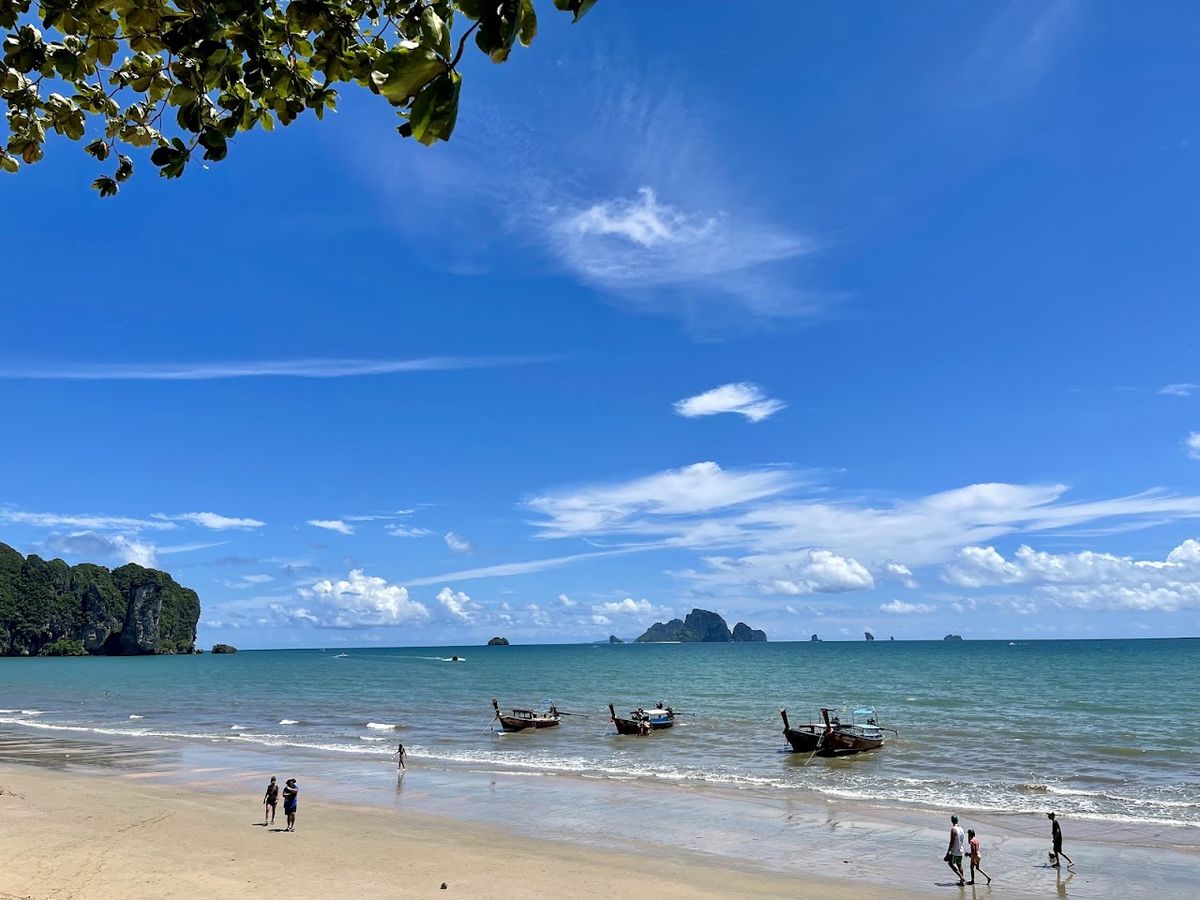
Ao Nang, a short crossing away, is the opposite. Roads in, songthaews to Krabi Town for ฿60, 7-11s, tour desks, restaurants, bars. It’s the convenience centre of Krabi tourism — and its own beach is a working seafront with longtails on it, not a postcard.
That trade is the whole comparison: access and ease versus scenery and quiet.
Beaches: not a fair fight
Beach quality is where Railay pulls ahead clearly.
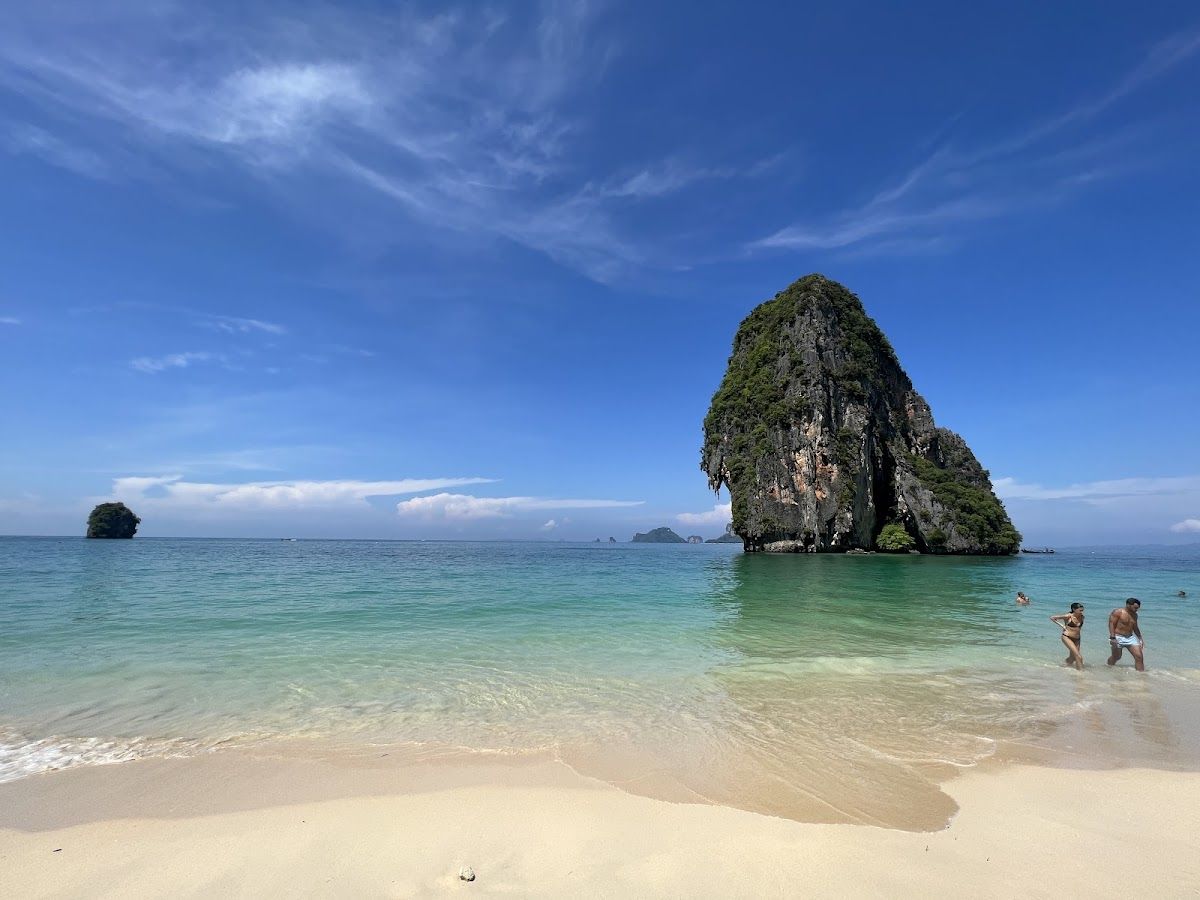
On Railay: Railay West is wide, soft-sand and west-facing — good swimming and a proper sunset. A flat ten-minute walk around the headland brings you to Phra Nang, which is one of the best beaches in Thailand: calm, clear water under a sheer limestone cliff, with a cave shrine carved into the rock at one end. No road noise. No vendors except for a few longtail boat sellers who arrive mid-morning.
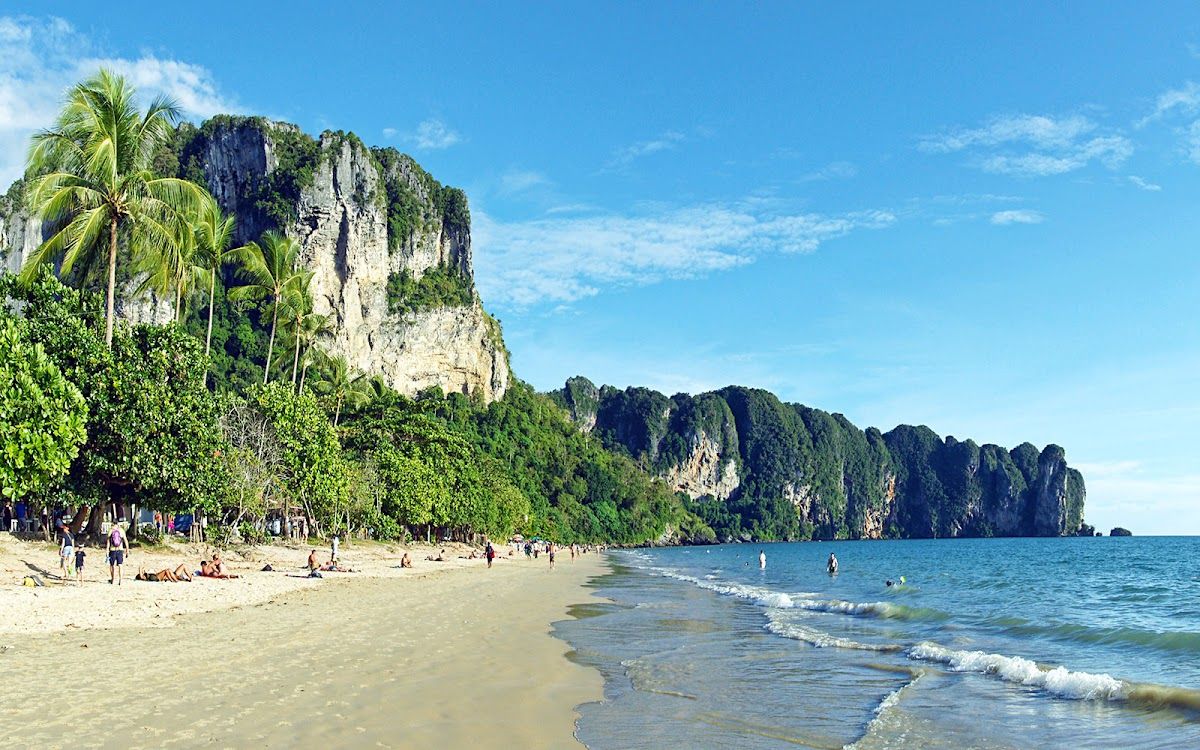
In Ao Nang: the town beach is a working seafront. Longtails line the sand, tour desks face the water, and the swimming is average with murkier water than the boat-only beaches. It’s good for an evening stroll and a sunset drink — not for the kind of swimming that justifies a flight to Thailand.
The nuance: you don’t need to stay on Railay to swim at Phra Nang. Catch a ฿100 longtail from Ao Nang and you’re there in 15 minutes. But staying on Railay means having those beaches at 7am before the day boats arrive, and again at 6pm after they leave. That’s a different experience.
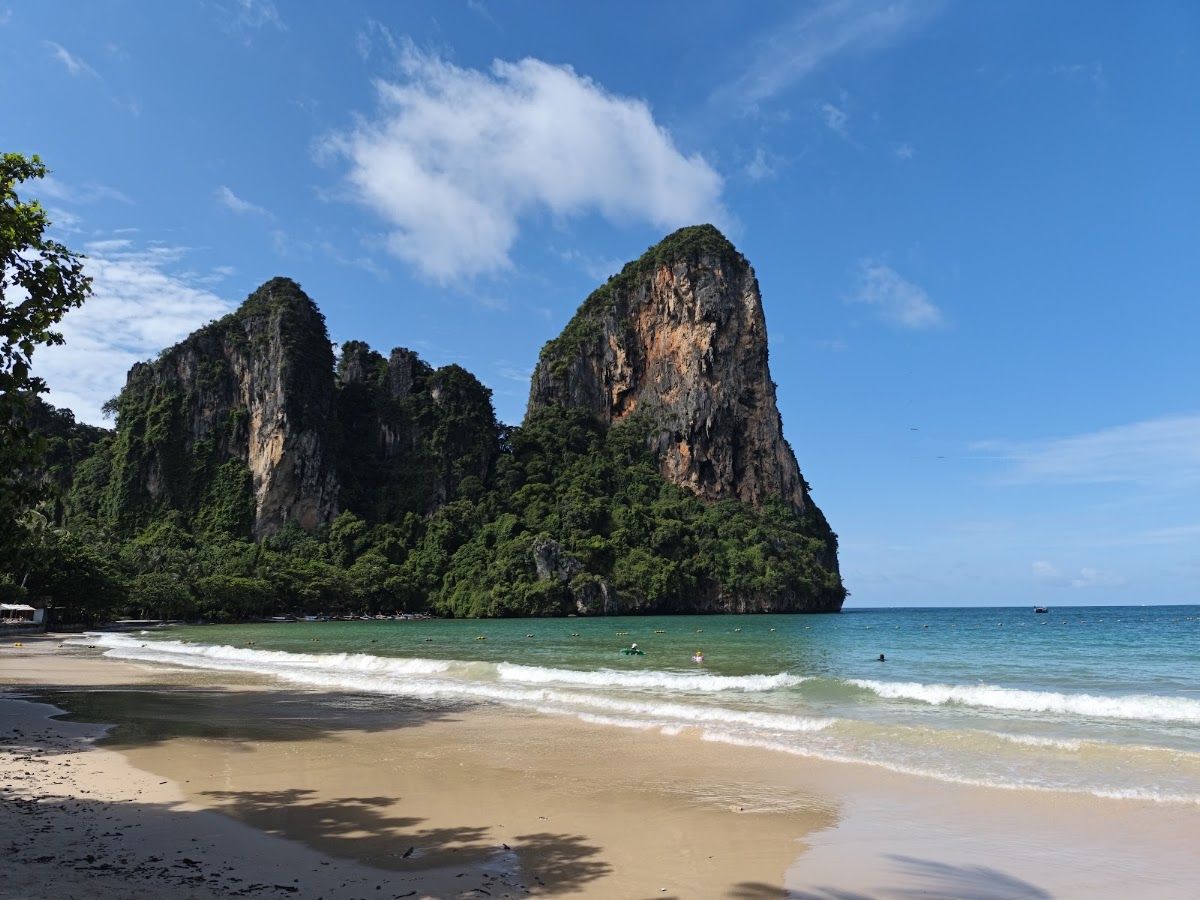
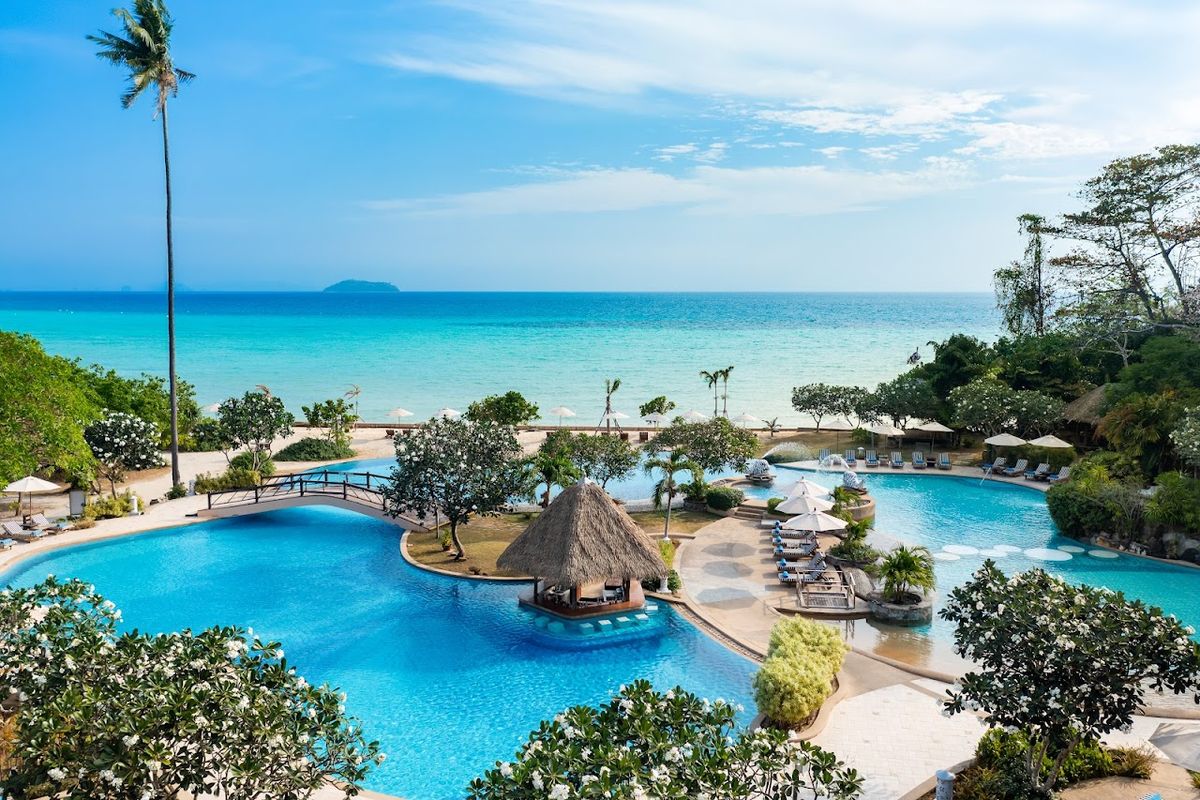
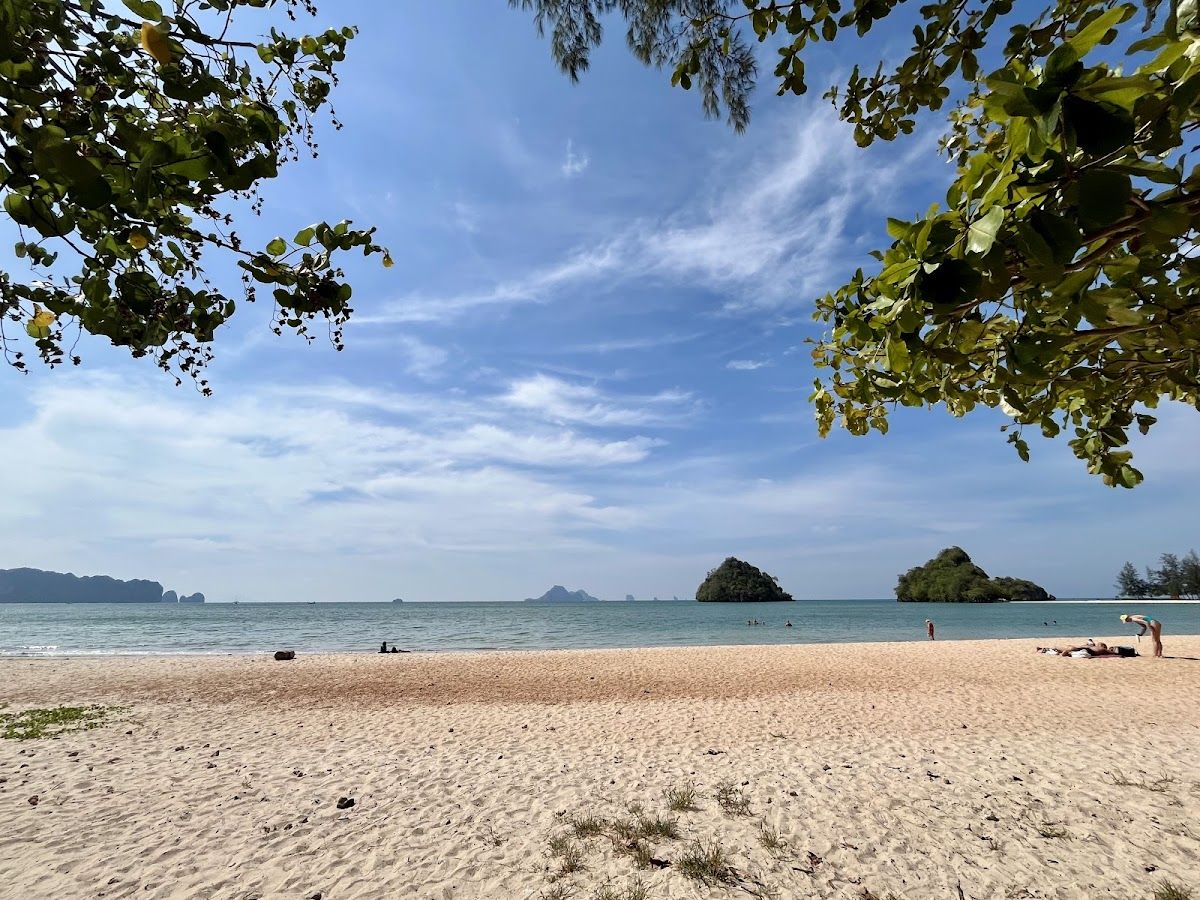
Railay West — the wide, west-facing beach where most of the peninsula’s accommodation sits. Good swimming, better sunsets.
The full breakdown of every beach around Krabi, with how to reach each, is in the best beaches guide.
Getting around from each base
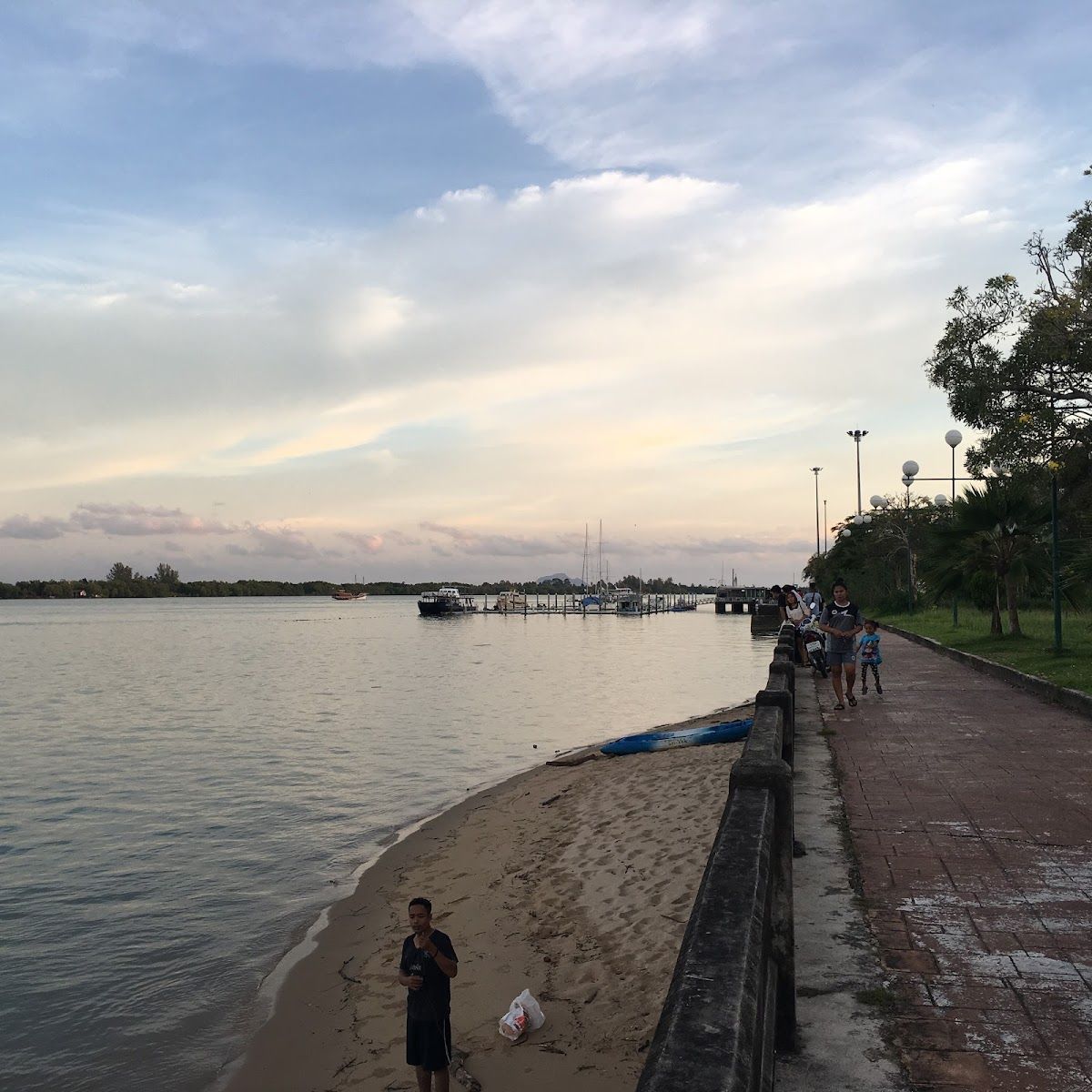
From Ao Nang, everything is straightforward. Longtails to Railay and Phra Nang leave from the beach every few minutes in daylight — ฿100 each way, no booking needed, wait for roughly 8 passengers to fill the boat. Speedboats and longtails for the Four Islands tour, Phi Phi day trips, and island-hopping tours all leave from the Ao Nang pier or adjacent Nopparat Thara. Songthaews to Krabi Town for onward travel. Scooters for hire. Taxis when you need them quickly. You can run every kind of Krabi day from here without thinking about logistics.
From Railay, you can day-trip too — but you add a boat leg to everything. Getting to an island tour means a longtail to Ao Nang, then joining your departure. That’s ฿200 extra and 20–30 minutes each direction. There are ATMs on Railay East, but they carry the standard Thai foreign-card fee (around ฿220, plus whatever your home bank charges) and can run out of cash in peak season — bring enough baht from the mainland. Pharmacies, laundry, proper supermarkets all require a boat. For a night or two this is a pleasure, not a problem. For a seven-day base with an ambitious activities schedule, it starts to grind.
Practical note for first-timers: the Ao Nang longtails leave from the sand at the north end of the beach. Walk to the water, find the boat service board with the posted fare (check it before paying), buy a ticket and wait — boats go when roughly 8 passengers are aboard. The crossing is open-topped so spray is possible in choppy conditions; keep electronics in a dry bag. You’ll wade at both ends (ankle to knee-deep depending on tide), so sandals are a better choice than trainers. Large luggage is doable but awkward — most people leave bags at their Ao Nang guesthouse and do Railay with a day pack if just visiting.
Full getting around Krabi detail covers options from both bases.
Accommodation: price difference is real
Ao Nang covers every bracket. Guesthouses from around ฿500–800/night, a solid mid-range room from ฿1,500–2,500, smart hotels and resorts beyond that. Wide supply keeps prices competitive, and moving a street or two back from the beach drops the price without adding any meaningful inconvenience.
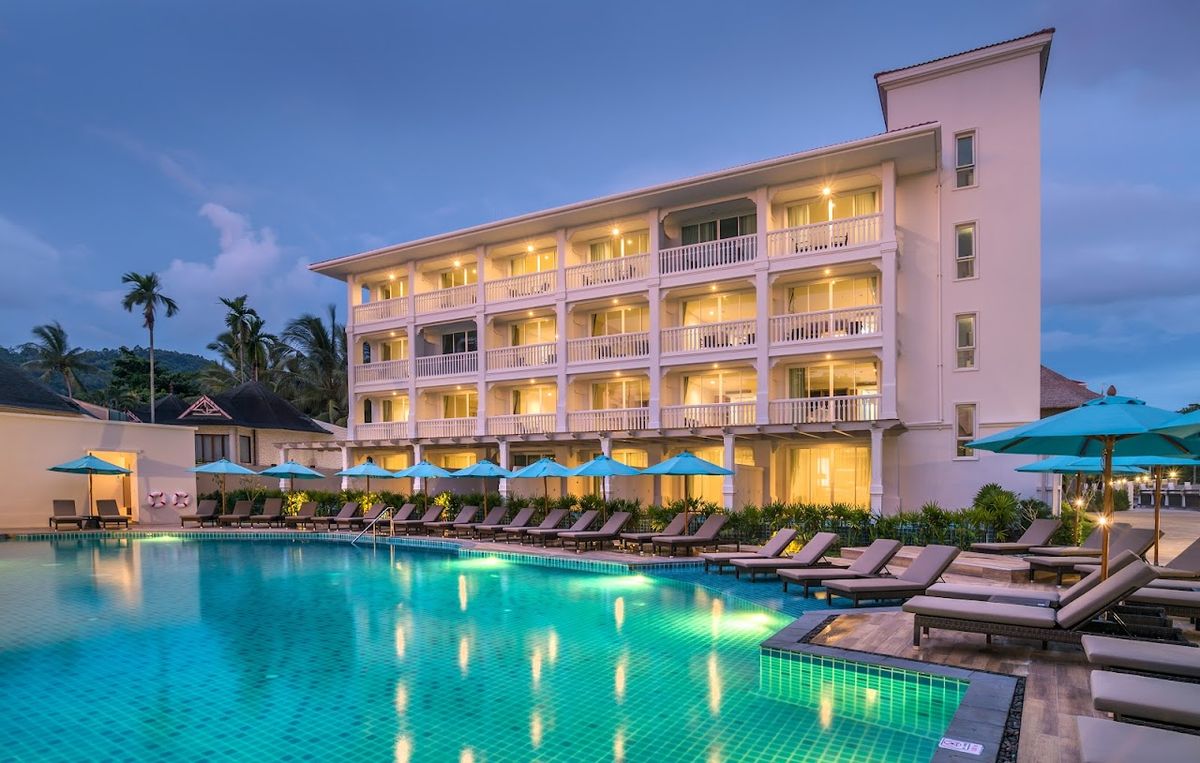
Railay runs 20–30% higher than equivalent rooms on the mainland. Budget options exist on Railay East — the mangrove side, which faces away from the swimming beaches — from roughly ฿800–1,200/night for a basic room. Mid-range on Railay West (the beach side) starts at around ฿3,500–4,000/night in high season and climbs sharply from there for anything beachfront. There are far fewer true backpacker options than Ao Nang. The premium is real and non-negotiable; it’s the cost of the location.
See the hotels list to compare what’s currently available across both.
Food and dining
Ao Nang is a proper eating town. Pad thai at ฿50–80 from street stalls, fresh seafood by the kilo along the main strip, international restaurants, bakeries, decent coffee. You won’t eat the same meal twice in a week.
Railay is more limited and consistently more expensive. Railay East has the cheapest options — a row of Thai restaurants and casual bars along the mangrove path where a rice or noodle dish runs ฿150–200. Railay West leans resort restaurants and beach bars at prices that reflect the setting. At Phra Nang beach itself, the only food is from longtail food vendors selling drinks and fruit at a mark-up — bring water and snacks if you’re spending the day there. Small local minimarts on Railay stock basics at inflated prices; there are no 7-11s.
For two nights, the limited choice is fine and part of the atmosphere. As a week-long dining situation, Ao Nang is clearly ahead.
Evenings
Ao Nang after dark is genuinely lively by beach-town standards. Bars cluster along the main strip and behind the beachfront, the night market runs several nights a week with food stalls and cheap drinks, and fire shows appear on the beach most evenings. Nothing like Phuket, but enough for a proper evening out with a few options.
Railay after the last boats leave becomes a different place. Day-trippers clear out by around 6pm, and what remains is a small group of people staying on the peninsula, beach bars with fire pits, fairy lights and the cliffs going dark around them. The bar strip on Railay East runs late enough for a drink and a fire show, but the vibe is firmly quiet evening rather than night out. Early morning on an empty Phra Nang beats late-night drinking on Railay by a long margin.
Moving between the two after dark is possible — boats still operate but often at a higher rate or private-hire price — but it’s a bit of a mission and most people in either place stick to their side of the water for the evening.
Who belongs where
Stay in Ao Nang if you’re:
- Doing multiple island day trips — Four Islands, Phi Phi, the Hong Islands — and want departure logistics to be simple.
- Travelling with children who need the convenience of a 7-11, a pharmacy or changeable plans.
- On a tighter budget and need the wide range of accommodation and food prices.
- Happy to day-trip to Railay’s beaches for the swimming and return in the evening.
- On your first Krabi trip and want to keep the base easy.
Stay on Railay if you’re:
- A couple after the most beautiful place to wake up in Krabi, cost aside.
- Planning to rock climb — the peninsula is one of the world’s best beginner-to-intermediate climbing destinations, detailed in the Railay Beach guide.
- Happy to slow down: fewer activities, more mornings on an empty Phra Nang with a coffee.
- After the specific quiet-after-dark atmosphere that Railay becomes once the day visitors leave.
For most people, the answer is both — and the ฿100 longtail makes the logistics easy. The only reason to force a single-base choice is if your budget won’t stretch to Railay prices, or if your schedule is packed with early-departure tours that make the extra boat legs a real inconvenience.
The split-stay
If you can, split it. The standard version: 3–4 nights in Ao Nang to do the island days and get settled, then 2 nights on Railay to finish the trip properly. You get easy tour days first, then the beach stay you probably pictured. You only have to repack once.
Book the Railay portion in advance — especially in the dry season (November to April) when the limited supply of good rooms goes early. The where to stay overview covers all four Krabi bases side-by-side, and the 3-day itinerary shows how a base in Ao Nang makes island days flow easily before a Railay finish.
FAQ
How do you get from Ao Nang to Railay Beach? Longtail boat from the north end of Ao Nang beach. Fares are around ฿100 each way — check the board before paying. The ride is 10–15 minutes; boats leave when roughly 8 passengers gather. Public boats run during daylight (roughly 8am to 6pm); after dark expect a higher fare or a private-hire price. Cash only. Wear sandals — you’ll wade at both ends. Don’t drink tap water in Thailand; stick to bottled water or refill-filtered options available at most guesthouses.
Is Railay worth visiting? Yes. Phra Nang is one of the best beaches in Thailand, and Railay West is a proper sunset beach backed by limestone towers. Whether to stay there or just visit on a day trip from Ao Nang depends on your budget and how much you value having the beaches to yourself at dawn and dusk.
Which is cheaper? Ao Nang, clearly. Railay runs 20–30% higher for equivalent rooms because everything is delivered by boat. Budget accommodation exists on Railay East from around ฿800–1,200/night, but there’s nothing at hostel prices. Food is also more expensive and more limited.
Can you day-trip Railay from Ao Nang? Yes, easily. The ฿100 longtail takes 15 minutes and leaves from the beach on demand. Take an early boat, spend the day at Phra Nang and Railay West, come back before 6pm. Day-tripping is how most visitors experience Railay.
Which is better for families? Ao Nang. 7-11s, pharmacies, a wide restaurant spread, easy tour departures, and flexibility if plans change. Railay’s beaches are better but the limited supplies and higher prices add friction when travelling with children.
What is Railay like at night? Quiet. The day-trippers leave on the last longtail around 6pm, and what’s left is a small group of overnight guests, beach bars with fire shows, and the cliffs going dark. There’s no nightlife. If that sounds right for the last couple of nights of a trip, it is.