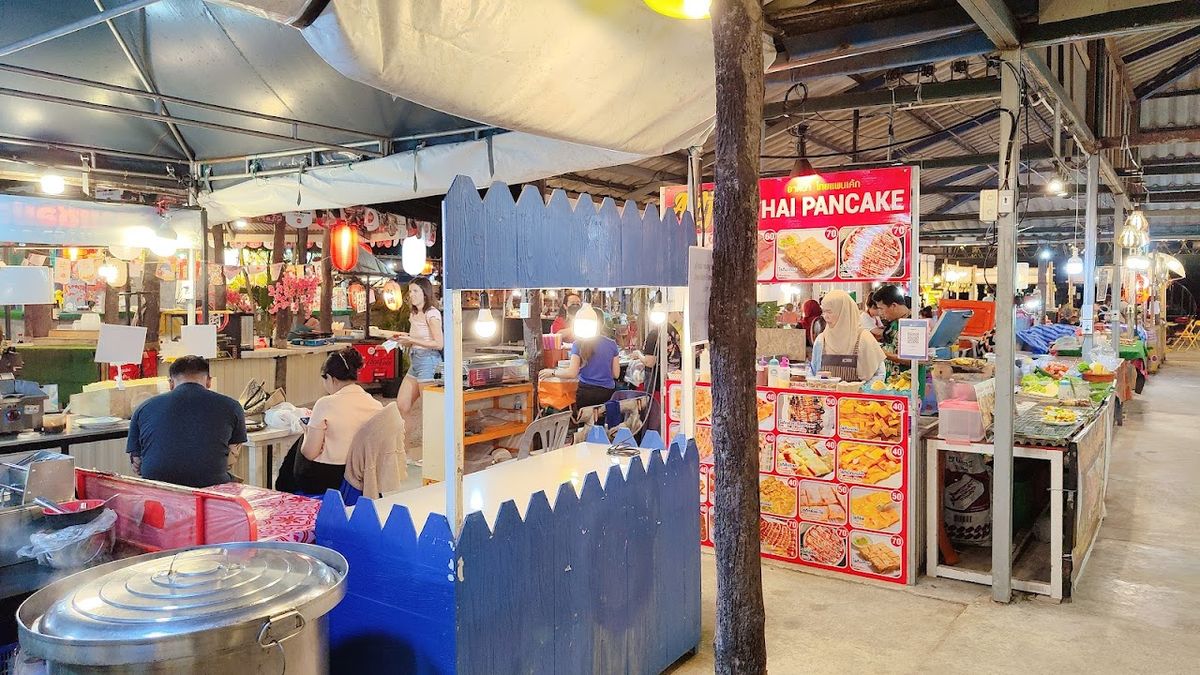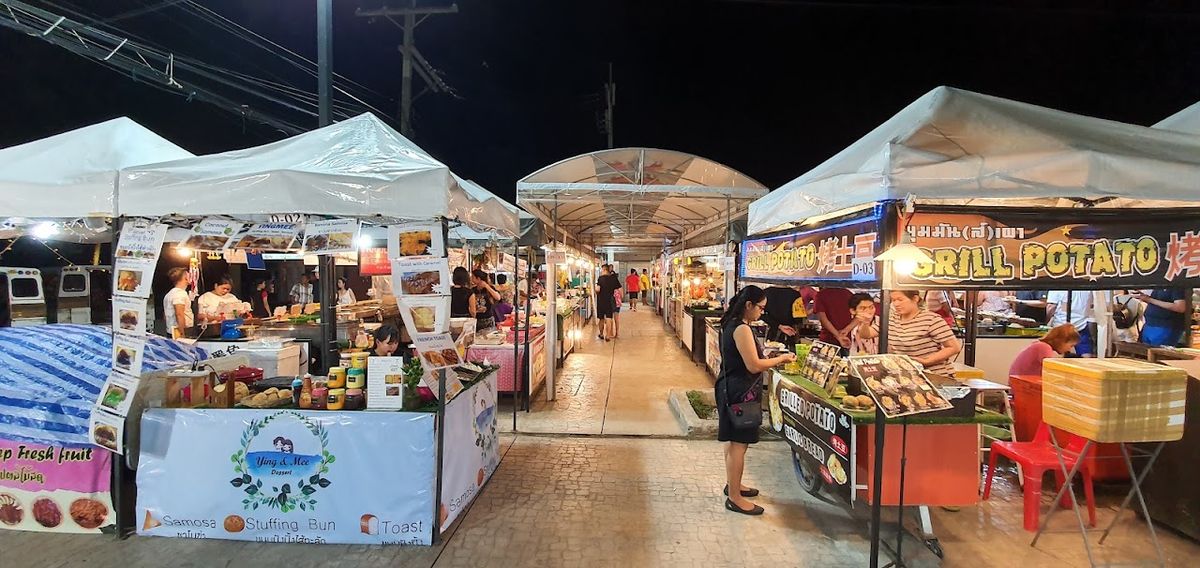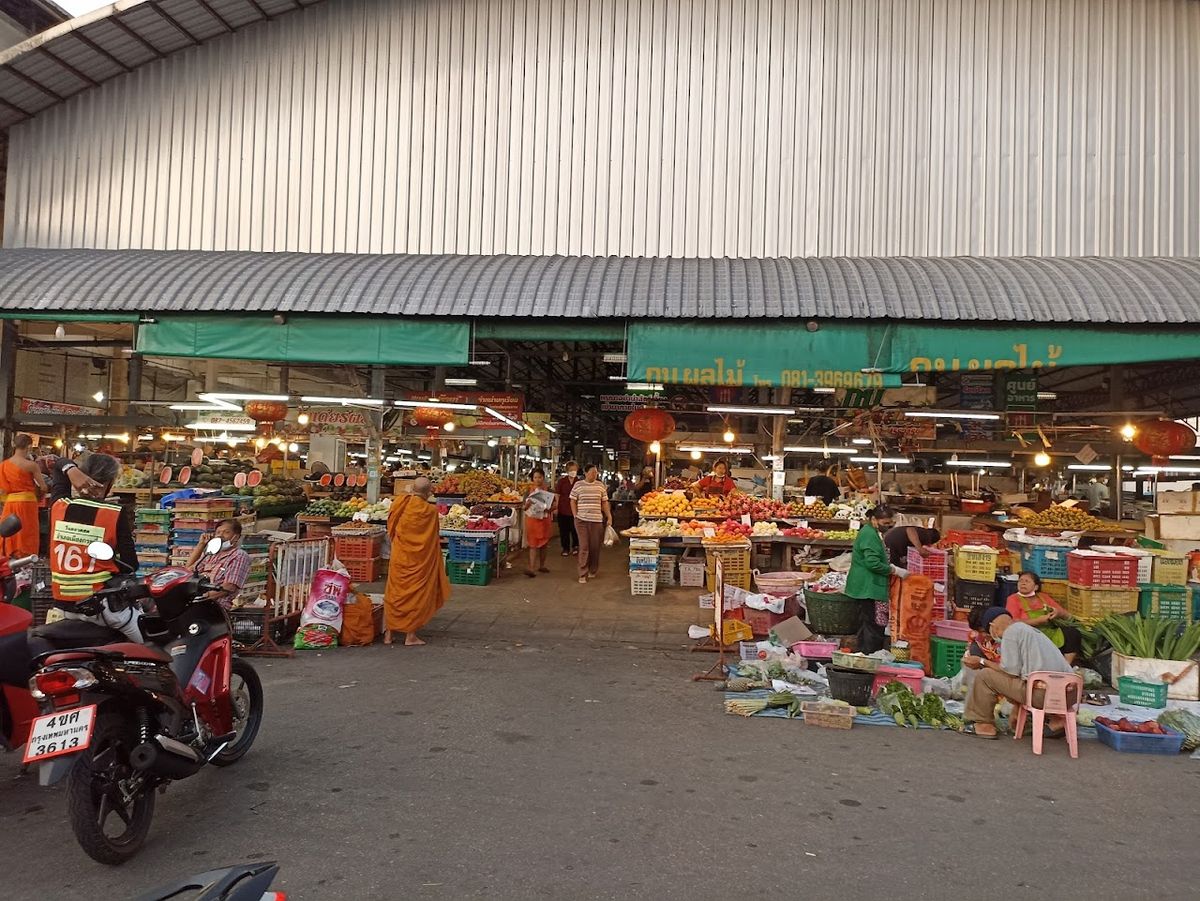

Krabi’s best meals aren’t in restaurants — they’re at plastic tables under market lights, or at a riverside stall in Krabi Town where a plate of southern curry costs less than a coffee back home. The tourist strip in Ao Nang has plenty of Western food and mid-range Thai, but if you want the real thing, head to the markets and order what the locals order. Here’s how, and what to get.
The short version
- Best value feed: Krabi Town’s weekend walking street and the riverside night market — grilled seafood, curries, roti, sweets.
- Order southern: this is southern Thailand — the curries are hotter and coconut-rich; try gaeng tai pla, khua kling and yellow crab curry.
- Prices: street plates from about ฿40–80 (US$1.20–2.40); grilled seafood by weight; a market dinner for two under ฿300.
- Ao Nang has the range and the sunset dinners; Krabi Town has the cheapest, most authentic eats.
- Base near the food you want — see the Ao Nang and Krabi Town area guides.
The markets — where to actually eat
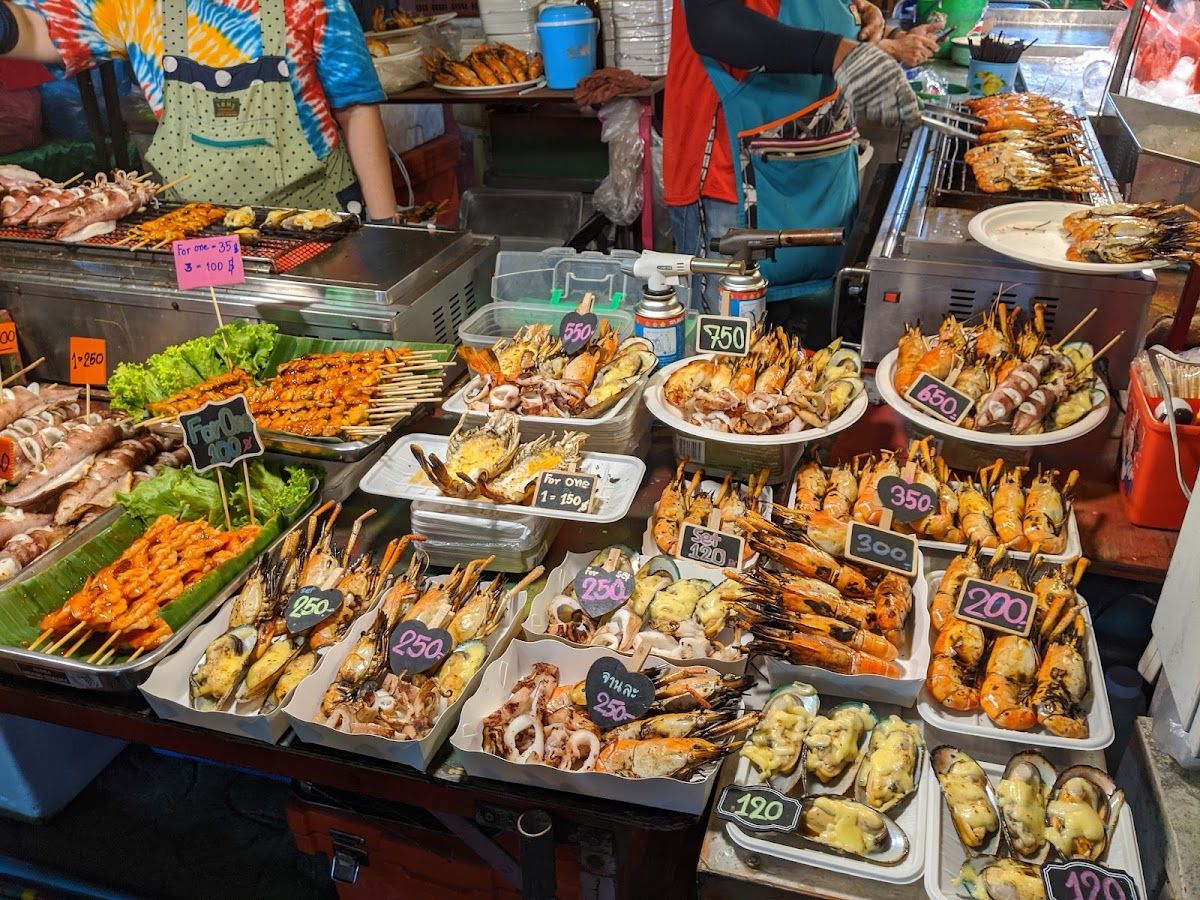
Krabi Town weekend walking street. The best food night in the province, on Friday, Saturday and Sunday evenings around Maharaj Road. A big food court section serves grilled prawns and squid by the plate, southern curries over rice, noodle dishes, fried chicken, roti and stacks of Thai sweets. Cheap, busy and the highlight of many trips. Come hungry and graze.
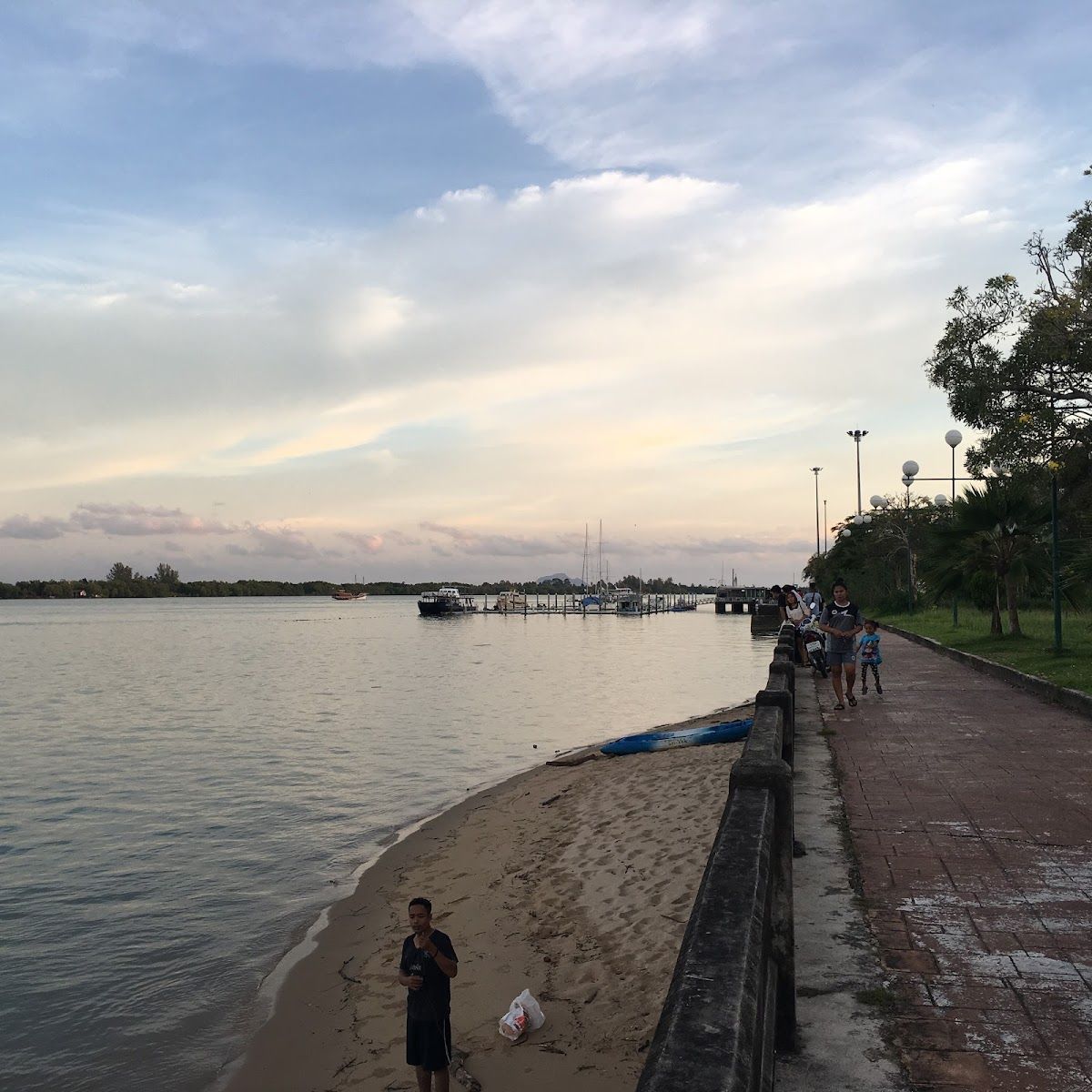
Krabi Town riverside night market. Near the Chao Fah pier on the waterfront, this runs more evenings and leans seafood — pick your prawns or fish, have them grilled, eat with your feet almost in the river. Relaxed and local.
Ao Nang’s evening stalls. Ao Nang has street food carts and small night-market clusters too, handier if you’re based there, though pricier and more tourist-facing than Krabi Town. Fine for a quick, cheap plate between the bars.
What to order
Krabi is southern Thai, and the food is bolder and spicier than the central-Thai dishes most travellers know. Worth stepping past pad thai for:
- Gaeng tai pla — a fierce, pungent southern fish-kidney curry. Not a beginner dish, but the real taste of the south if you’re game.
- Khua kling — dry-fried minced pork or chicken with a punch of chilli and turmeric. Intensely flavoured, seriously hot.
- Yellow crab curry (gaeng poo) — crab in a rich turmeric-yellow curry, a coast speciality.
- Grilled seafood — prawns, squid, whole fish and cockles, sold by weight at the markets and served with a fiery seafood dipping sauce (nam jim seafood).
- Southern-style fried chicken (gai tod) — crisp, fragrant with herbs, sold by the piece.
- Roti — griddled flatbread, sweet with banana and condensed milk, or savoury with curry. The go-to dessert or late snack.
- Khanom jeen — fermented rice noodles you dress with curries and a pile of raw vegetables and herbs. A cheap, filling local breakfast or lunch.
If the heat worries you, ask for “mai phet” (not spicy) or “phet nit noi” (a little spicy) — though southern kitchens run hot even then.
Fresh seafood, done right
Krabi’s seafood is excellent and cheap by Western standards. At the markets and the seafood restaurants along the coast, you often choose your catch from ice and pay by weight — prawns, squid, crab, snapper, grouper. Grilled with garlic or steamed with lime and chilli is how to have it. Confirm the price per kilo before you point, so there are no surprises when the plate lands.
Eating in Ao Nang
The Ao Nang strip is where the variety is — Thai, Italian, Indian, seafood, burgers, breakfast cafés — plus the sunset-dinner spots along the front. It’s more expensive than the markets and pitched at visitors, but handy, and a beachfront dinner as the sun drops is a fair splurge. For the cheapest authentic food, still take the ฿60 songthaew into Krabi Town on a market night.
Rough costs
- Street/market plate: ฿40–80 (US$1.20–2.40).
- Market dinner for two: under ฿300 (US$9) if you stick to stalls.
- Grilled seafood: by weight — a decent plate of prawns for two around ฿200–400.
- Sit-down Thai restaurant in Ao Nang: ฿120–250 a main.
- Western/tourist restaurant: ฿200–500-plus a main.
Eating like this is why Krabi is such good value — see Krabi on a budget for how far your money stretches.
How to order at the markets
Market eating has a simple rhythm once you know it. At a food-court-style market, you usually order from the individual stalls and carry your plates to shared tables; some markets use a coupon or card system where you buy tokens first, so watch what others do. Point at what looks good — you don’t need much Thai — and say how spicy you want it: “mai phet” for not spicy, “phet nit noi” for a little. Grilled seafood is sold by weight, so confirm the price per kilo before you commit. Portions are small and cheap by design, so order a few things across stalls rather than one big plate, and go back for more of whatever wins.
Practical tips
- Cash. Markets and stalls are cash-only; carry small notes.
- Busy stalls are good stalls. High turnover means fresh food — follow the queues.
- Fruit and drinks. Fresh fruit shakes, coconuts and cut mango are everywhere and cheap; a good hot-day habit.
- Timing. Markets get going from early evening; the walking street is a weekend-nights thing, so plan a Krabi Town dinner for Friday to Sunday.
Breakfast and coffee
Thai breakfast is worth trying at least once: khanom jeen (fermented rice noodles with curry), rice soup (khao tom), or a bowl of noodles from a morning stall. If you want the familiar, Ao Nang has plenty of cafés doing eggs, toast and proper coffee, at tourist prices. Krabi’s third-wave coffee scene has grown, and you’ll find good independent cafés in both Ao Nang and Krabi Town. Fresh fruit shakes and iced Thai tea are the cheap, everywhere alternative to a coffee-shop stop.
Cooking classes
If you like the food, learning to make it is a good rainy-day or slow-afternoon activity, and a souvenir you can actually use. Half-day Thai cooking classes run in and around Ao Nang, usually including a market visit to pick ingredients, then hands-on cooking of three or four dishes you get to eat. They’re a fun way to understand the curries and pastes you’ve been eating, and to bring a bit of southern Thailand home.
Eating vegetarian or with allergies
Thai food leans heavily on fish sauce, shrimp paste and dried shrimp, so “vegetarian” isn’t automatic even in veggie-looking dishes. Learn “jay” (strict vegetarian/vegan) and “mang-sa-wi-rat” (vegetarian), and look for the yellow-and-red “jay” signs, especially around Krabi Town. Nut allergies are manageable but need care — peanuts turn up in sauces and garnishes — so carry a written note in Thai if it’s serious. Most kitchens are happy to adjust spice and skip ingredients if you ask clearly before ordering.
Where to base for the food
If food is a big part of the trip, a night or two in Krabi Town puts you steps from the best of it. If you’re beach-first, base in Ao Nang and make one trip into town for a market night. Either way, compare rooms on the hotels list and fold a market evening into the 3-day itinerary.