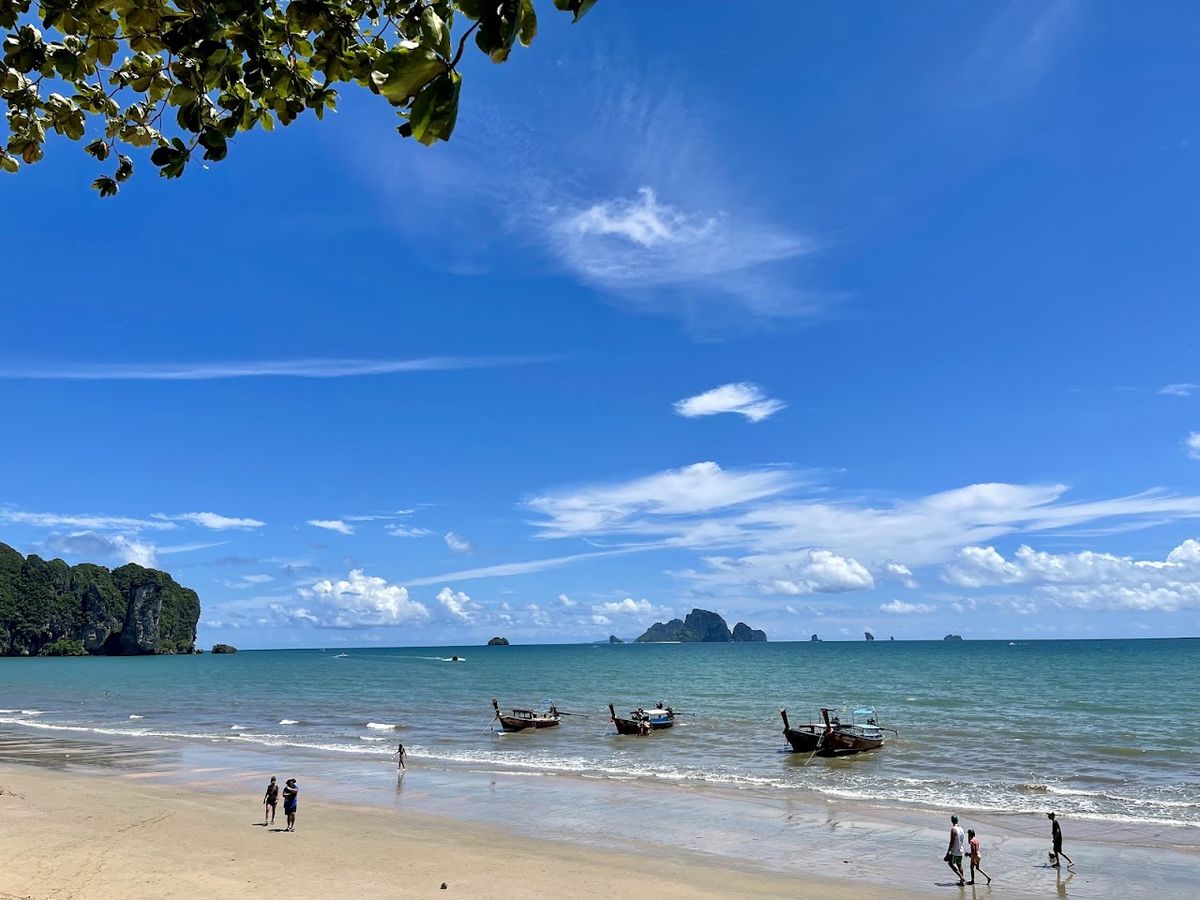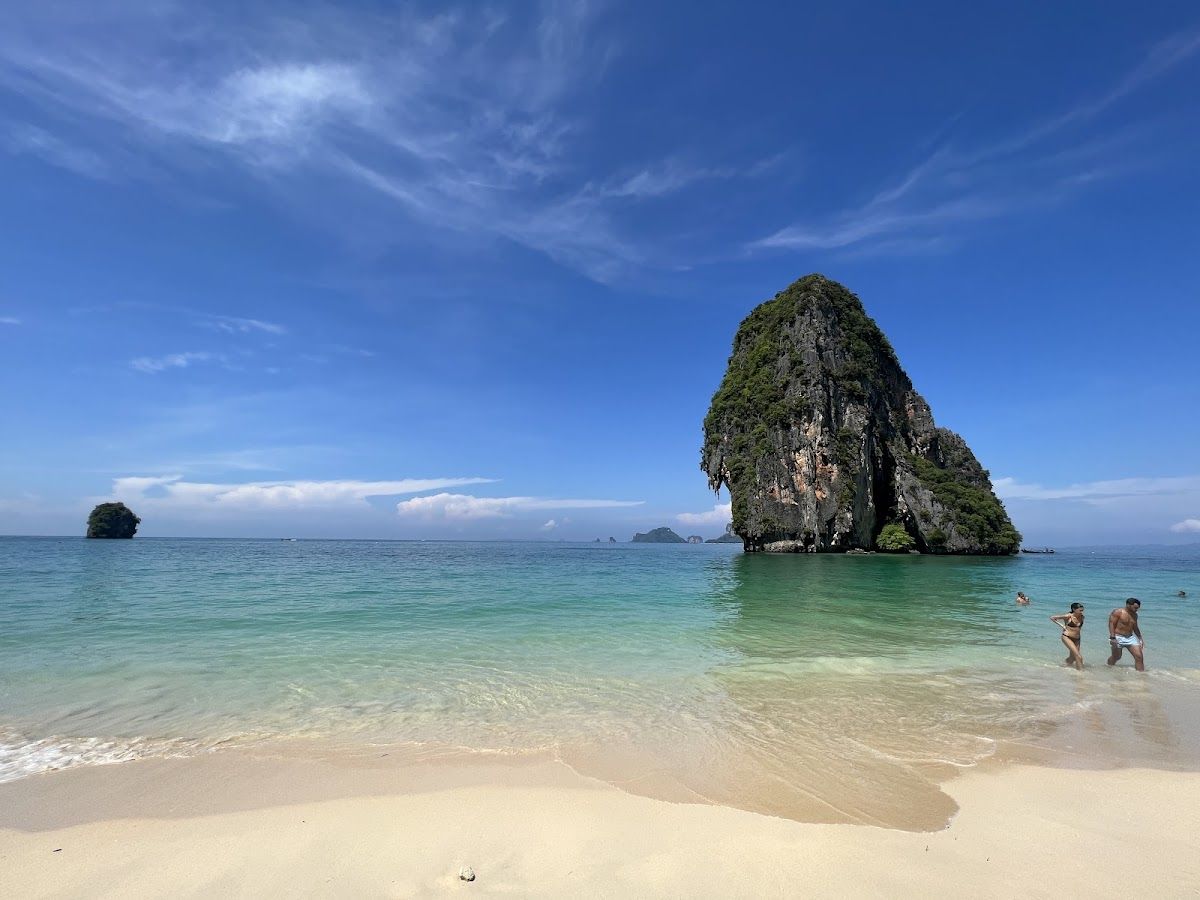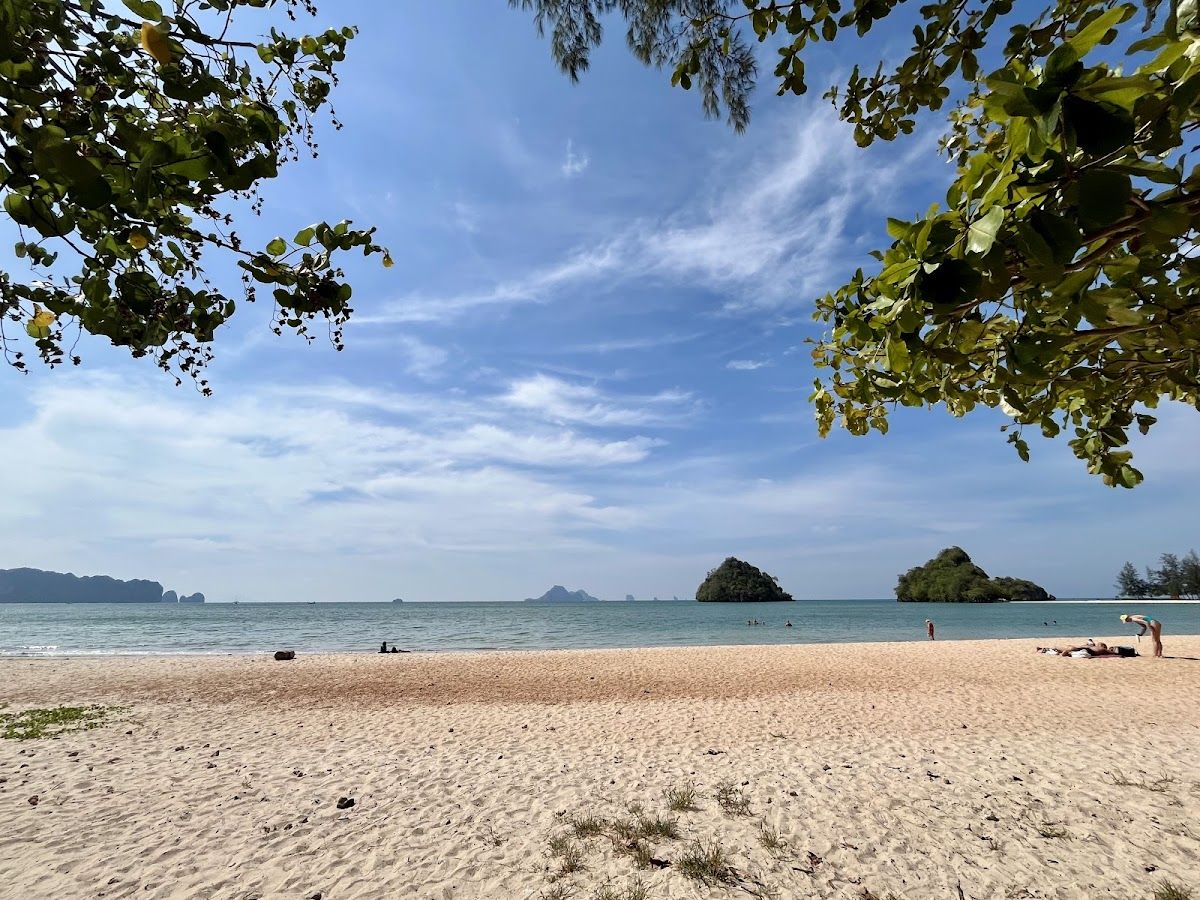
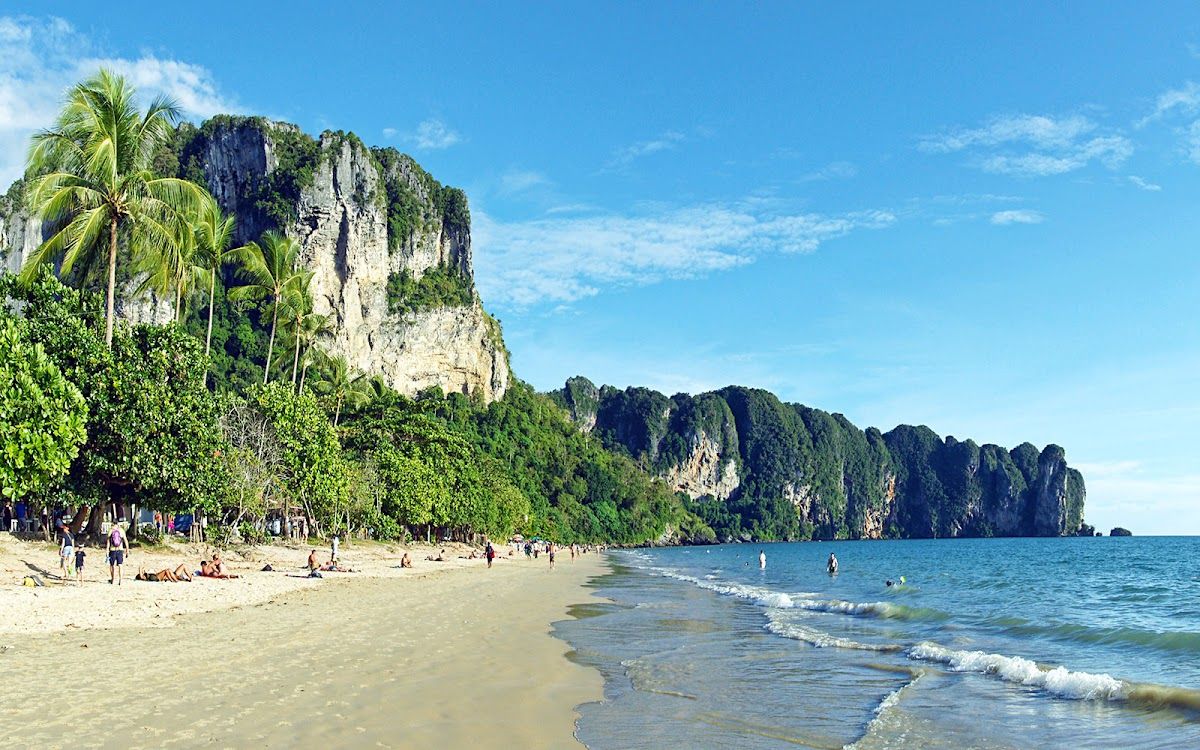
Krabi has two seasons that matter: a dry one that’s reliably good and busy, and a wet one that’s cheaper, greener and more of a gamble. The catch is that “wet” doesn’t mean what most people picture — plenty of monsoon mornings are sunny, and the rain often comes in short afternoon bursts. What actually shapes your trip is the sea. Boats are the whole point of Krabi, and rough water cancels island days.
The short version
- Best overall: December to February — clear skies, calm sea, low humidity, and the peak crowds and prices that come with it.
- Best value with good odds: November and late October, or May and early June — shoulder months with fewer people and softer prices.
- Wettest: September and October. July also delivers heavy rain. Some island tours suspend in the worst of it.
- Sea first: the dry season means calm crossings and reliable island tours. That’s what you’re paying peak prices for.
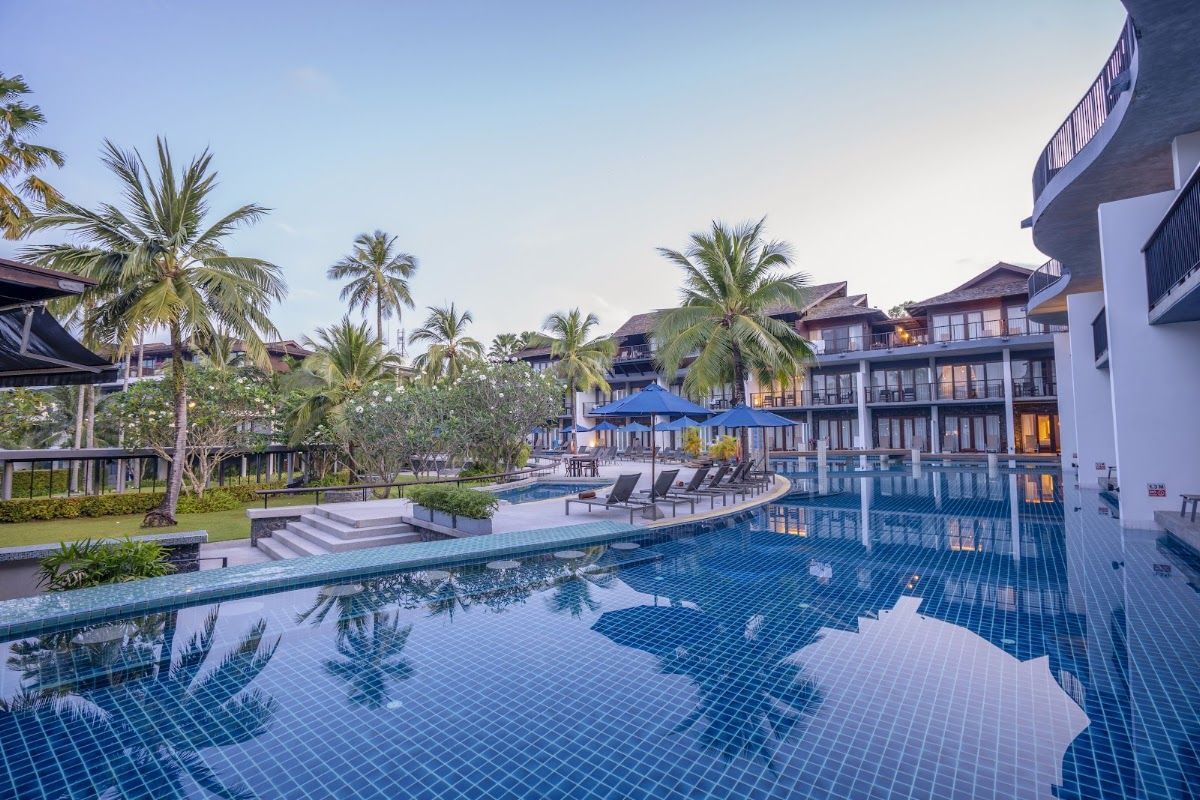
- Whenever you come, sort a base early in high season — see where to stay.
The three seasons
Dry / peak (November–March). The reason Krabi is famous. Clear skies, cooler nights, low humidity, daytime around 25–32°C, and a calm sea that makes every island tour run. December to February is the sweet spot — and it’s when the whole world turns up, so rooms and flights cost the most and the popular beaches fill.
Hot (April–May). Late March into June is the hot stretch, peaking in April and May. It’s genuinely warm and sticky, but the sea is usually still workable, crowds thin out, and prices ease. April brings Songkran, the Thai new year water festival — good fun if you don’t mind getting soaked.
Monsoon / wet (May–October). The southwest monsoon brings rain and rougher seas. From May to August it’s often short, heavy afternoon showers with clear mornings — you can still do a lot. September and October are the real wet months, with the heaviest, most persistent rain and the roughest water, when some boat operators pull tours.
Month by month
January — Peak of peak. Best weather of the year, calm sea, and the biggest crowds and prices. Book well ahead.
February — As good as January and marginally quieter early in the month. A safe choice.
March — Still dry and reliable, heating up toward the end. A strong month with crowds starting to ease.
April — Hot. The sea is usually fine for islands. Songkran (mid-month) is a highlight if you like the water fights; expect closures around the holiday.
May — The shoulder tips into monsoon. Often sunny mornings with afternoon showers, thinner crowds, better prices. Good value if you’re flexible.
June — Similar to May: changeable but far from a washout, and quiet. The rain rarely ruins a whole day.
July — One of the wettest months, with heavy rain at times and rougher seas. Green and cheap, but plan for lost boat days.
August — Still wet but often with sunny spells. Prices low, beaches quiet. A gamble that can pay off.
September — The wettest stretch begins. Persistent rain, rough water, and some island tours suspended. The cheapest month, with the fewest people.
October — Wet early, improving late. By the last week or two the dry season is often finding its feet, which makes late October a quietly good bet — decent weather, pre-peak prices.
November — The turnaround. Skies clear, the sea calms, and Krabi comes back to life without full peak crowds yet. One of the best value-for-weather months.
December — Firmly into peak. Reliable sun, calm sea, festive crowds and top prices, especially over Christmas and New Year.
How the seasons change your trip
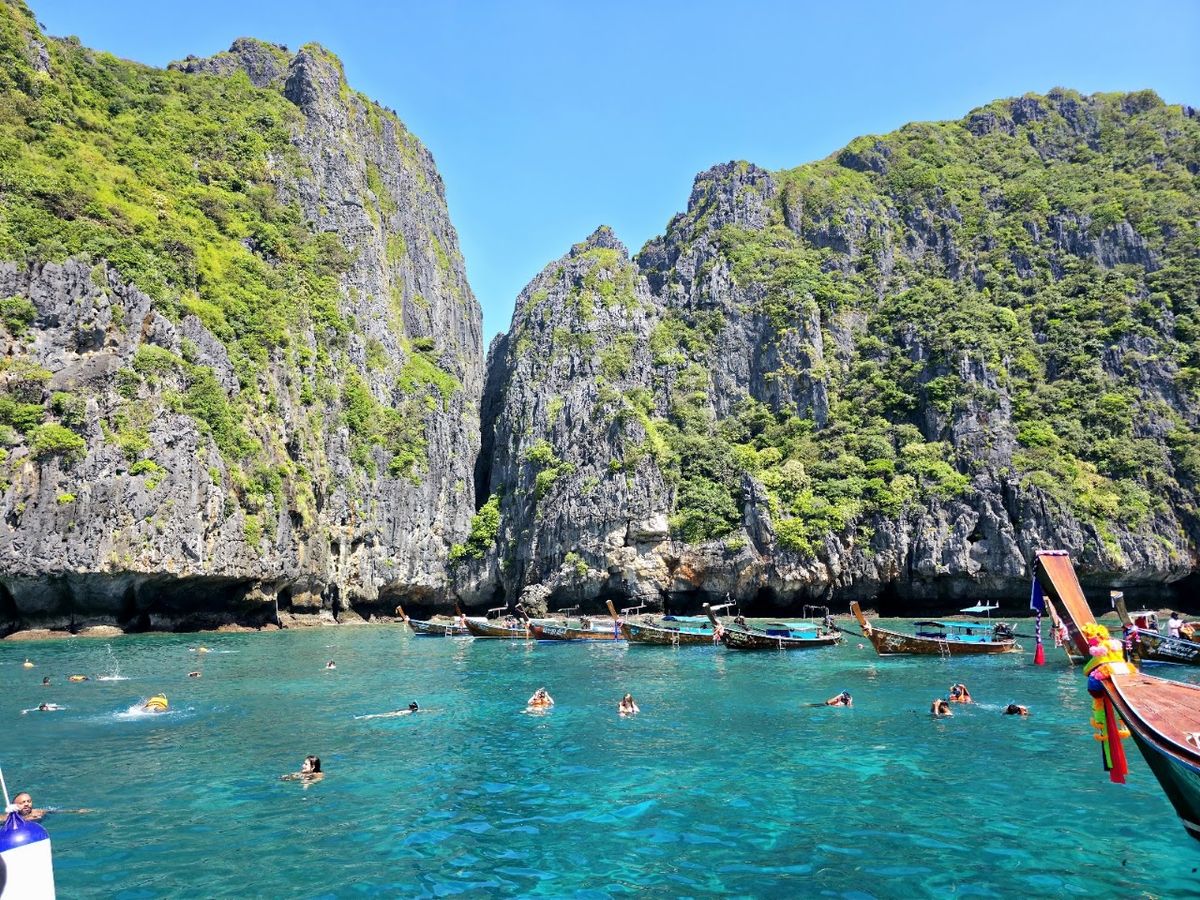
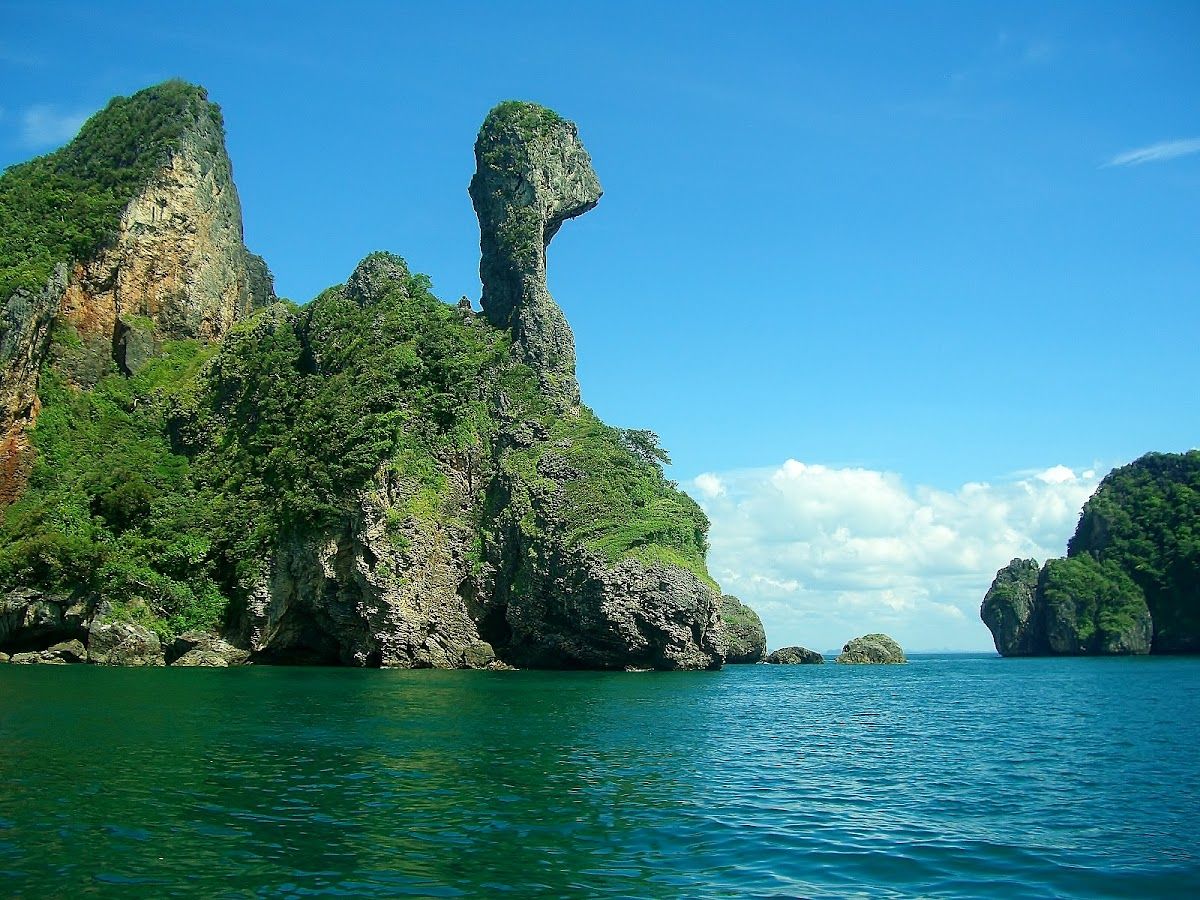
The single biggest effect is on the water. Island tours — the Four Islands, Hong Islands and Phi Phi — are only as good as the sea. In the dry season they run daily and the water is clear for snorkelling. In deep monsoon, crossings get bumpy and operators cancel when it’s unsafe. If islands are why you’re coming, weight your dates toward November–April.
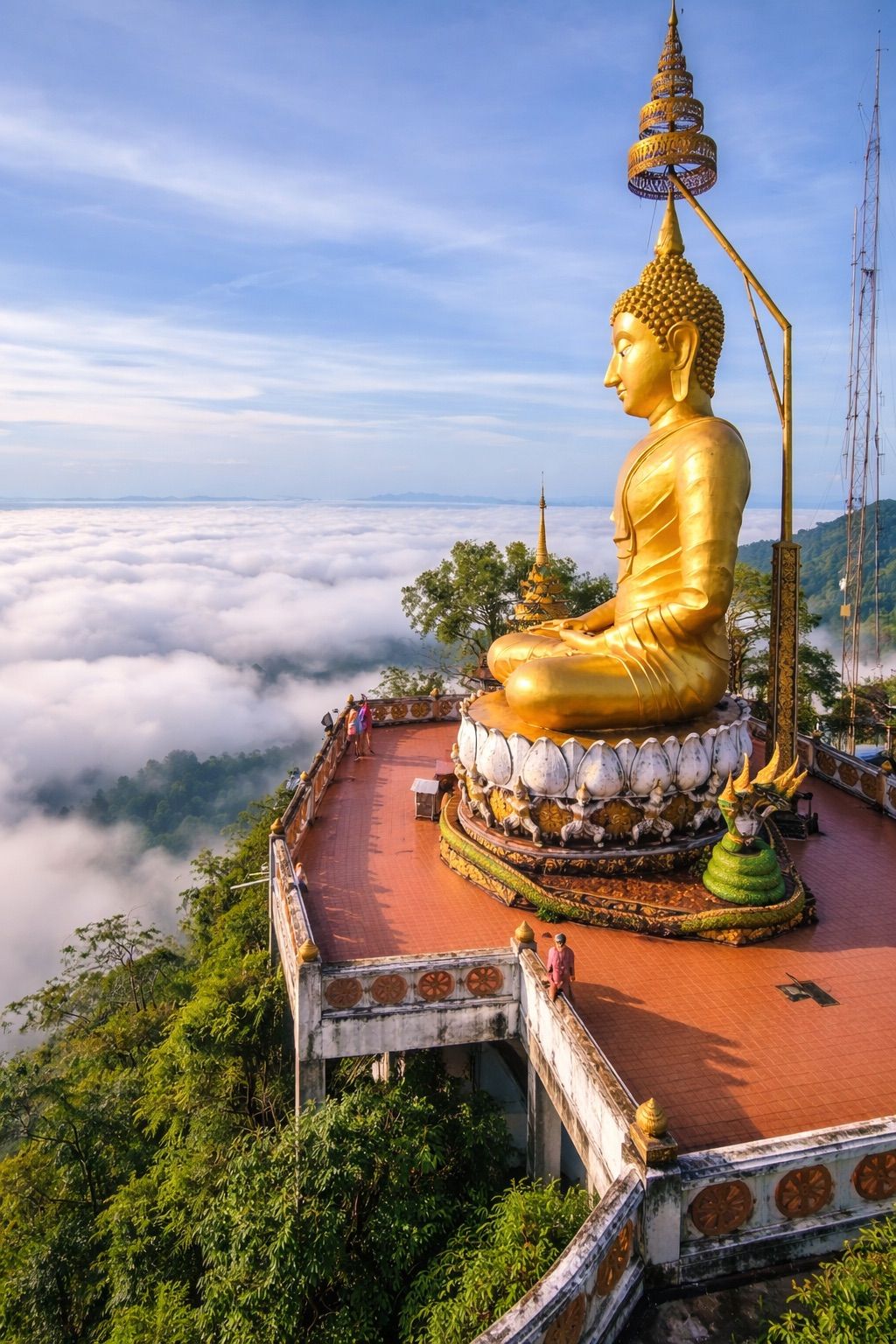
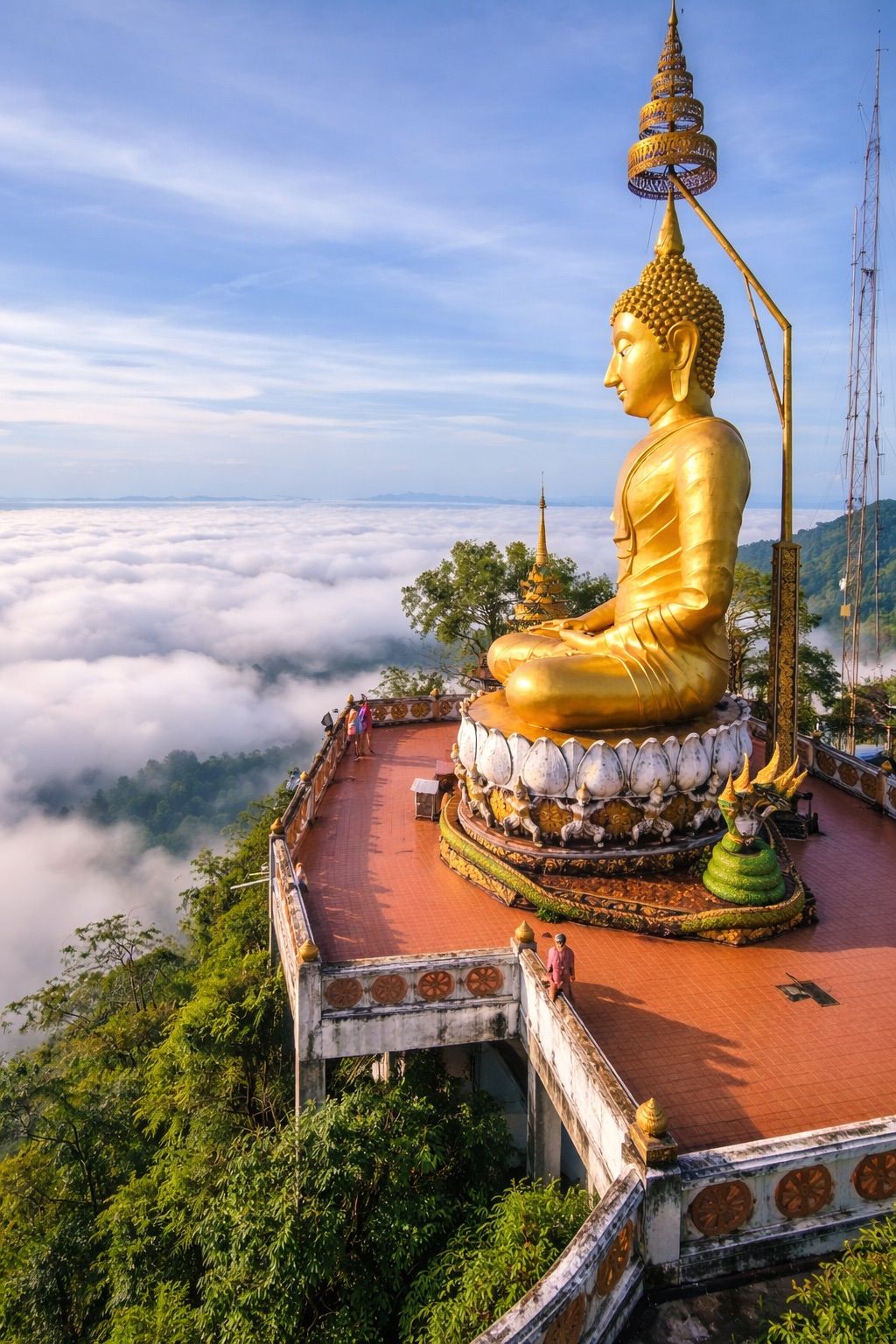
Inland sights care less about weather. The Tiger Cave Temple, Emerald Pool and hot springs are fine in light rain — the jungle is arguably better lush and wet — so keep them as your wet-day plan.
Making the monsoon work
Coming in the green season isn’t a mistake if you go in with the right plan. Book flexible rooms, treat mornings as your active window, and keep a couched wet-weather list — markets, a cooking class, the food scene, a spa, a mangrove kayak that’s fine in a drizzle. You’ll have beaches to yourself and pay a fraction of peak rates. Just don’t hinge the whole trip on one specific island day; give yourself spare days so a cancelled boat isn’t a disaster.
Festivals and events worth timing around
A few dates are worth knowing. Songkran (Thai new year, mid-April) turns the streets into a giant water fight — huge fun if you join in, and a reason some travellers pick the hot season on purpose, though shops and some tours close around the holiday. Loy Krathong (usually November) sees candlelit floats set onto the water at dusk, a lovely thing to catch on the Krabi riverfront. The peak-season stretch over Christmas and New Year is the busiest and priciest window of all — magic if you want the buzz, punishing on the wallet, and worth booking months ahead. Outside those, Krabi doesn’t hinge on a festival calendar; the weather and the sea are what should drive your dates.
What the weather means for packing
Whenever you come, pack for strong sun and warm, humid air: light clothes, a hat, reef-safe sunscreen and something to cover up at temples. In the dry season add a light layer for cooler evenings, especially December and January nights. In the green season, bring a compact rain jacket or poncho, quick-dry clothing, and shoes that cope with wet ground — and treat a dry bag for your phone as essential on any boat day. Nothing here needs heavy gear; the point is to be ready for a passing shower without it derailing your day.
Sea and snorkelling by season
Because Krabi is really about the water, it’s worth thinking in terms of the sea rather than just the sky. In the dry season the Andaman is calm and clear, with the best underwater visibility for snorkelling and diving from roughly November to April — the reefs off the islands are at their sharpest and the crossings are smooth. As the monsoon builds, the water gets churned up: visibility drops, the swell rises, and by September and October some operators suspend island runs entirely on the rough days. If snorkelling or diving is a priority, that alone is a strong argument for the dry months. If you’re coming in green season, plan your island and snorkelling days for the calmest-looking mornings and keep them flexible.
The verdict
For a first trip where you want the islands to deliver, aim for November to March, and book early. For the best balance of good-enough weather, space and price, target the shoulders — late October to November, or May into early June. Whenever you land, get your base sorted first: the Ao Nang area guide and the hotels list are the place to start, and the 3-day itinerary will shape the rest.